A practical guide to understanding insulin resistance
Insulin resistance means muscle, fat and liver cells do not respond to insulin as effectively as they should, so the pancreas must produce more insulin to manage glucose. It can develop silently for years, but testing and sustainable changes in activity, food, sleep and weight can substantially improve metabolic health. Look for patterns across meals, sleep and symptoms, and discuss abrupt or persistent changes with a health professional.
What insulin resistance means
Insulin acts like a signal that helps move glucose from the bloodstream into cells for energy or storage. When cells become less responsive, the pancreas initially compensates by releasing more insulin; glucose may therefore remain in the normal range during the early stages.
Insulin resistance is not identical to prediabetes or type 2 diabetes. Prediabetes describes blood glucose above the normal range but below the diabetes range, while type 2 diabetes reflects persistent hyperglycemia that meets diagnostic criteria.
- The condition commonly affects the liver, skeletal muscles and fat tissue.
- It is influenced by genetics, visceral fat, physical inactivity, sleep, medications and certain hormonal conditions.
- Improvement is possible even when no single cause can be identified.
Why high insulin can precede high glucose
A compensating pancreas may keep glucose controlled for a time by producing additional insulin. As compensation becomes insufficient, fasting or after-meal glucose can rise, increasing the likelihood of prediabetes and type 2 diabetes.
Possible signs and who should consider testing
Many people have no noticeable symptoms. Acanthosis nigricans—darkened, thickened or velvety skin, often around the neck or armpits—can be associated with insulin resistance, but its presence does not establish a diagnosis.
Testing deserves consideration if you have overweight or abdominal weight gain plus another risk factor, a family history of type 2 diabetes, previous gestational diabetes, polycystic ovary syndrome, high triglycerides, low HDL cholesterol, high blood pressure or a sedentary lifestyle. Hormones influence weight regulation, but sustainable progress still benefits from adequate nutrition, strength activity and individual medical review.
- Increased thirst, frequent urination, unexplained weight loss or blurred vision can signal significant hyperglycemia and warrant prompt medical assessment.
- Fatigue and cravings are nonspecific; they cannot confirm insulin resistance.
- People taking glucocorticoids or certain antipsychotic medicines may need tailored glucose monitoring.
Supplements for Insulin Resistance

Gluco6
Gluco6 is a blood-sugar-support formula featuring gymnema, a plant traditionally used in metabolic wellness. Its intended benefit is normal blood-glucose metabolism; for people interested in insulin resistance, this remains a separate wellness objective rather than a direct weight-loss treatment.

CelluCare
CelluCare is a botanical metabolic-wellness supplement focused on blood-sugar regulation and everyday vitality. Its intended benefit is healthy glucose handling and metabolic wellness; for people interested in insulin resistance, this remains a separate wellness objective rather than a direct weight-loss treatment.

Sugar Mute
Sugar Mute is a nutritional supplement positioned around carbohydrate metabolism and healthy glucose balance. Its intended benefit is normal carbohydrate processing and glucose balance; for people interested in insulin resistance, this remains a separate wellness objective rather than a direct weight-loss treatment.

InsuLeaf
InsuLeaf is a plant-oriented nutritional formula for normal insulin function and carbohydrate metabolism. Its intended benefit is normal insulin function and carbohydrate metabolism; for people interested in insulin resistance, this remains a separate wellness objective rather than a direct weight-loss treatment.

Blood Armor
Blood Armor is a supplement positioned around circulatory and metabolic wellness. Its intended benefit is circulation and cardiovascular wellness; for people interested in insulin resistance, this remains a separate wellness objective rather than a direct weight-loss treatment.
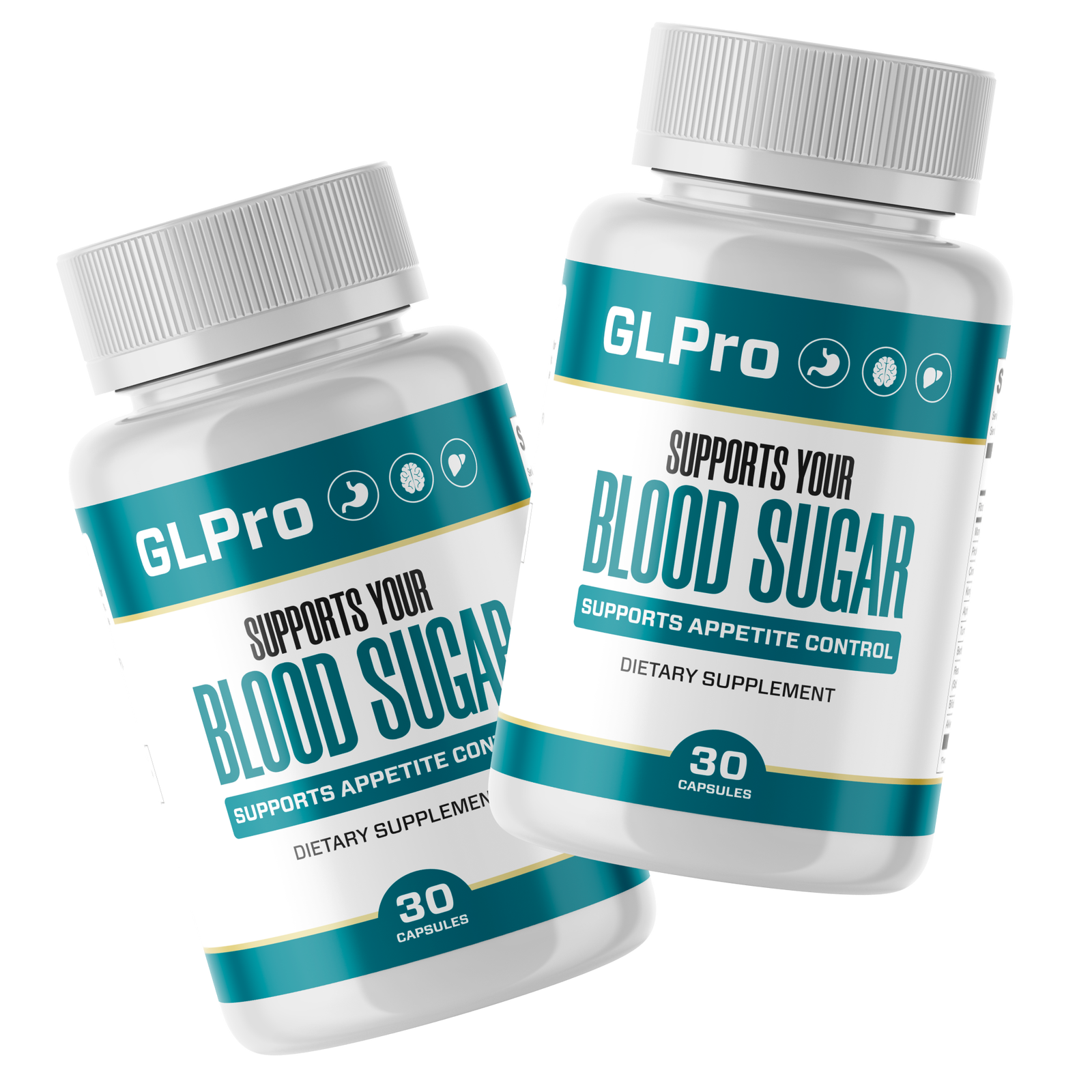
GL Pro
GL Pro is a dietary formula positioned for normal glucose processing and metabolic health. Its intended benefit is glucose processing and daily metabolic balance; for people interested in insulin resistance, this remains a separate wellness objective rather than a direct weight-loss treatment.
Sugar Mute
Sugar Mute is a nutritional supplement positioned around carbohydrate metabolism and healthy glucose balance. Its intended benefit is normal carbohydrate processing and glucose balance; for people interested in insulin resistance, this remains a separate wellness objective rather than a direct weight-loss treatment.

Nagano Tonic
Nagano Tonic is a powdered drink mix made with botanicals and nutrients including camu camu, green-tea EGCG, mangosteen, ginger and inulin. Its formula is promoted for daily metabolic, energy and digestive support; it is not a substitute for balanced nutrition or medical care. When comparing options alongside insulin resistance, review the ingredient label and seller terms before ordering.
How clinicians assess glucose health
There is no single routinely used test that definitively measures insulin resistance in everyday practice. Clinicians generally combine medical history, physical findings and standard glucose testing rather than relying on a commercial fasting-insulin score alone.
In US practice, prediabetes ranges are an A1C of 5.7% to 6.4%, fasting plasma glucose of 100 to 125 mg/dL, or a two-hour oral glucose tolerance result of 140 to 199 mg/dL. Diabetes-range results are generally A1C at least 6.5%, fasting glucose at least 126 mg/dL, or two-hour glucose at least 200 mg/dL; an abnormal result is usually confirmed on another day unless symptoms and unequivocal hyperglycemia are present.
- A1C estimates average glucose exposure over roughly two to three months.
- Fasting plasma glucose requires an overnight fast and provides a single-time-point measurement.
- The oral glucose tolerance test can reveal impaired glucose handling not evident from fasting glucose alone.
- Anemia, pregnancy, kidney disease and some hemoglobin variants can affect how A1C is interpreted.
Useful related measurements
Blood pressure, waist circumference, triglycerides, HDL cholesterol and liver enzymes can help characterize cardiometabolic risk. They do not diagnose insulin resistance by themselves, but they can influence the urgency and scope of a care plan.
A sensible first-week plan
Start with information rather than an extreme diet. Arrange appropriate testing if you have risk factors, record your usual meals and activity for several days, and identify one change that is measurable enough to repeat.
A practical starting target is a 10-minute walk after one or two daily meals, paired with a meal pattern that includes vegetables or fruit, a protein source and a high-fiber carbohydrate. If you already use glucose-lowering medication, discuss major diet or exercise changes with your prescriber because treatment may need adjustment.
- Schedule a primary-care visit for risk assessment and baseline laboratory testing.
- List all prescriptions and supplements, including doses, before the appointment.
- Choose a repeatable activity rather than attempting an exhausting short-term program.
- Plan follow-up testing at the interval recommended for your initial results and risk level.
Frequently Asked Questions
Yes. The pancreas may initially produce enough extra insulin to keep glucose within the normal range. Risk factors and related metabolic findings can still justify monitoring.
No. A meter can show glucose at particular moments, but readings vary and do not directly measure insulin sensitivity. Diagnosis of prediabetes or diabetes should use appropriately performed clinical tests.
Not necessarily. Activity, weight reduction when indicated, sleep improvement and treatment of contributing conditions can improve insulin sensitivity, although individual responses and underlying risks differ.